
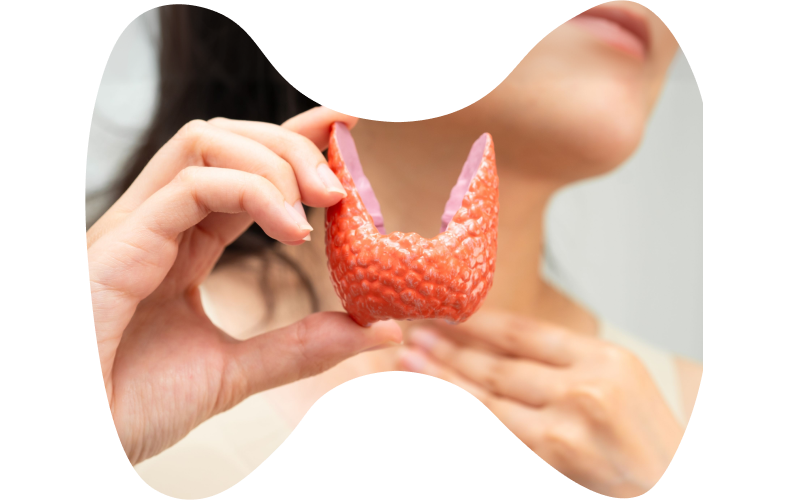
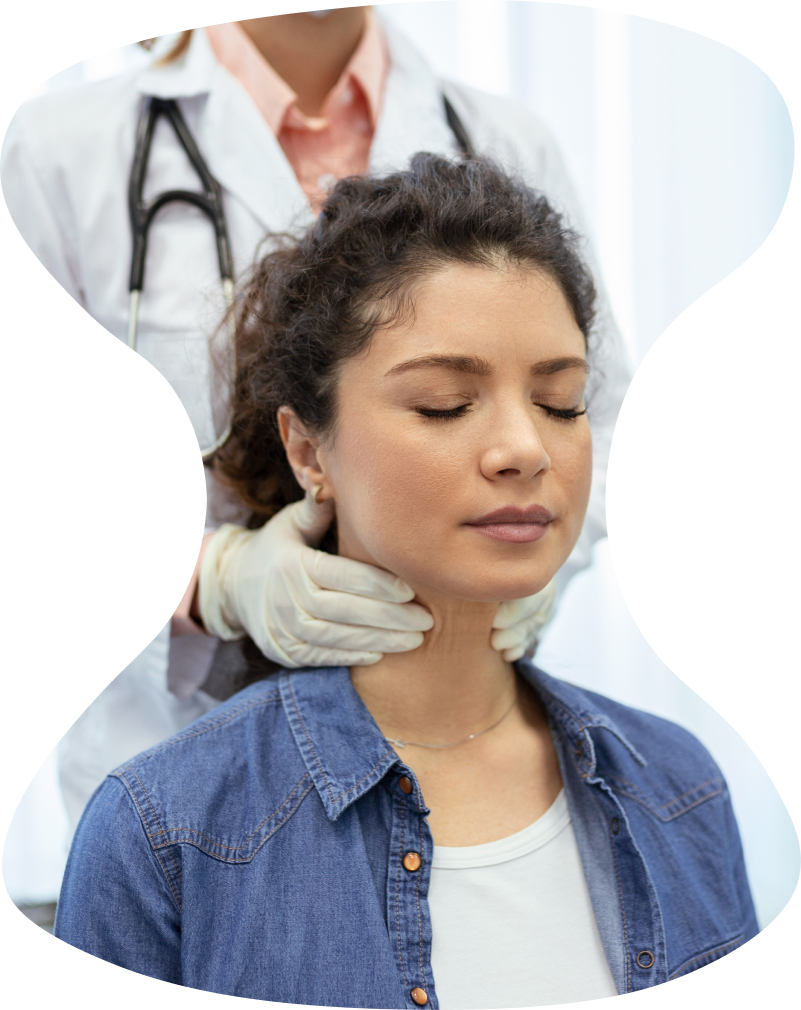
A parathyroidectomy removes one or more of your parathyroid glands when they become overactive and push blood calcium too high. For most patients - around 70 per cent - a single adenoma is the problem. Removing that one gland is enough to restore normal calcium levels for life.
The critical part: a thorough surgeon evaluates all four glands during the operation, even when imaging points to just one. Around 25 to 30 per cent of patients have more than one affected gland — and relying on the scan alone misses a hidden second adenoma in roughly 1 in 10 patients, who then need a repeat operation.
A good parathyroidectomy isn't about removing what the scan shows. It's about examining every gland and confirming which ones are truly overactive — before the incision closes.
Minimally invasive parathyroidectomy, often called mini parathyroid surgery, has replaced the older, larger neck operation for most patients today. The surgeon makes a small incision of around 2.5 cm (approximately 1 inch) in the lower neck, locates the overactive gland using preoperative imaging and intra-operative tools, removes it, and closes the wound with absorbable stitches.
A rapid PTH blood test taken in theatre confirms PTH has dropped to the right level before you leave the operating room. This tells the team the correct gland has been removed and that no other gland is silently overactive. Most operations finish in under an hour, often using lighter anaesthesia (an LMA airway) rather than full intubation. The scar is small, fades over time, and sits in a natural skin crease where it is easy to hide.
One point worth knowing: a negative or unclear scan does not rule out mini surgery. Surgeon experience and intra-operative testing matter more than the imaging result.
Most patients we see at our Chennai clinic have primary hyperparathyroidism with clear symptoms or measurable damage. We typically recommend parathyroid surgery in Chennai when you have:
Older patients with mild, stable disease and no clear symptoms may do better on careful monitoring instead. Dr. S. Ramkumar evaluates every case endocrinologically before any surgical plan is made. Where surgery is the right next step — Dr. D. Priya leads the procedure, ensuring your care moves from diagnosis to recovery under one coordinated team.
Parathyroid surgery recovery moves faster than most people expect. Most patients feel well enough to move around the house within 24 hours and return to office work within 5 to 7 days. Heavy lifting and strenuous exercise should wait two to three weeks, mainly to let the neck muscles heal cleanly.
You may notice mild throat soreness, slight bruising around the incision, or a hoarse voice for a day or two. These usually settle on their own. Most patients manage with paracetamol or simple over-the-counter pain relief — stronger medication is rarely needed. A few patients feel tingling around the lips or fingertips in the first week as calcium settles into its new normal range. We supplement calcium and vitamin D for a few weeks to smooth the transition.
We will ask you to come in for a follow-up blood test in two weeks and again in three months. By six months, bone density often shows clear improvement, and most patients say they feel sharper and stronger than they have in years.
Modern parathyroidectomy is one of the safest operations in endocrine surgery. In experienced hands, complication rates sit under 2 per cent — cure rates climb above 95 per cent, and most patients head home the same day.
A small set of risks remains, worth knowing before any operation:
Surgeon experience keeps all of these risks low. Specialist centres that examine all four glands as standard practice, rather than relying on imaging alone, see the lowest complication rates and the highest long-term cure rates.
Dr S. Ramkumar, our AIIMS-trained lead endocrinologist, reviews every parathyroid surgery case before the operation begins. His approach goes beyond reading a single calcium result or a scan report. Before any surgical plan is made, he maps the full picture:
His real strength shows in the harder cases, where the answer isn't obvious:
Each of these needs careful thought before surgery enters the conversation. Dr. Ramkumar works through the evidence and gives patients a clear answer, along with a treatment plan that makes sense for their specific case.
When surgery is the right next step, Dr. D. Priya leads the operative care. She works in the minimally invasive approach: a small incision, intra-operative PTH monitoring, and a thorough examination of all four parathyroid glands rather than removing only what shows on a scan. That comprehensive approach is what keeps re-operation rates low and long-term outcomes high.
Together, they make sure your care runs as one continuous plan, from diagnosis through surgery to the follow-up blood tests that confirm lasting cure.