
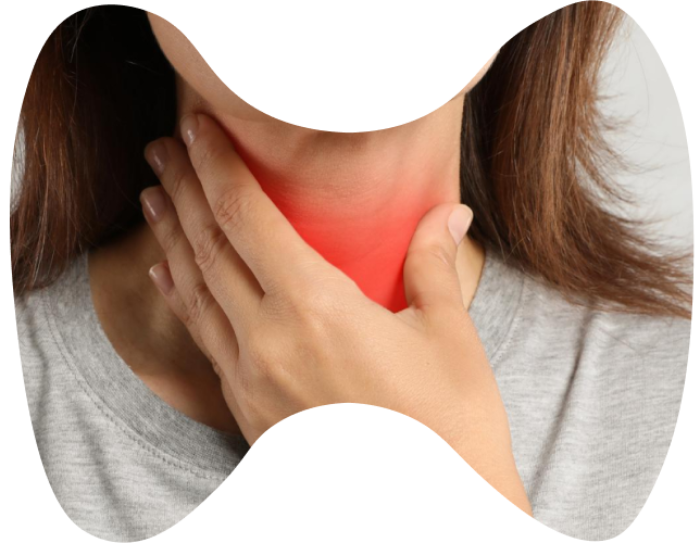
A parathyroid adenoma is a small, non-cancerous growth on one of your four parathyroid glands, sitting just behind your thyroid. It usually looks like a soft lump the size of a peanut or olive — though older adenomas, undiagnosed for years, can grow as large as a grape.
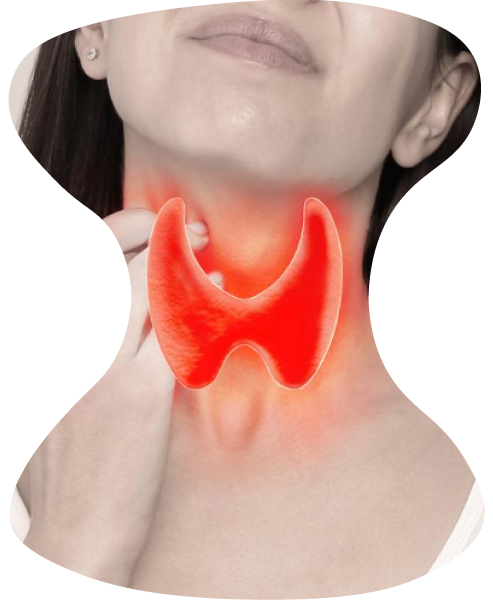
The gland with the adenoma doesn't sit quietly. It starts producing far more parathyroid hormone than your body needs, and your blood calcium creeps higher year after year. Most people don't realise anything is wrong until a routine blood test flags a calcium reading that won't come down. Left alone, an adenoma slowly wears down your bones, kidneys, and energy.
The good news: once we find it, the cure is usually straightforward.
Around 70 to 75 per cent of people with [hyperparathyroidism] have a single adenoma, with the other three glands working normally. The remaining 25 to 30 per cent have two or more glands involved — which is why a careful surgeon always checks all four during the operation.
Adenomas don't shrink on their own or go away. They keep growing until someone removes them.
In everyday medical use, the two words mean almost the same thing. A parathyroid tumour is any abnormal growth of a parathyroid gland. An adenoma is a specific type of tumour, the benign kind — and it makes up the vast majority of cases.
The word "tumour" can sound alarming. But in this setting, it almost always points to a growth that responds well to treatment. True parathyroid cancer is extraordinarily rare — fewer than 1 in 100 cases of hyperparathyroidism turn out to be cancerous.
So if your doctor has used the word parathyroid tumour, take a breath. The path forward is well-trodden, and outcomes for most patients are excellent.
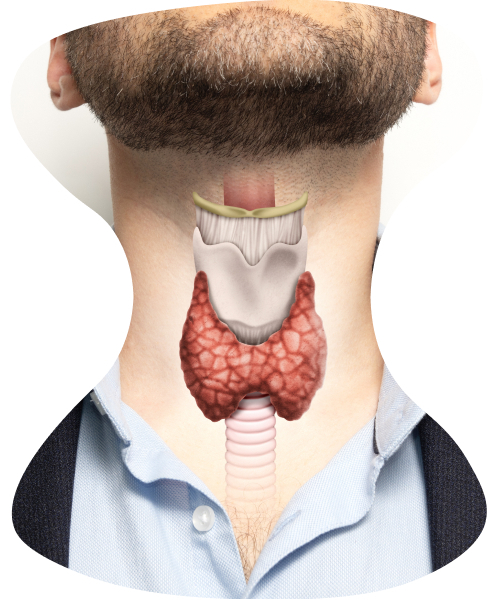
A benign parathyroid adenoma is a non-cancerous growth. It doesn't spread to other parts of your body. It doesn't invade nearby tissue the way a malignant tumour does.
The trouble lies elsewhere. The adenoma keeps producing parathyroid hormone (PTH) without pause — even when your blood calcium is already too high. Your body's normal off-switch stops working.
Over months and years, that constant hormone signal pulls calcium out of your bones into your blood. Bones gradually weaken. Kidneys filter the extra calcium and form stones. Muscles tire easily, and your mood often takes a hit. The adenoma itself is harmless tissue — it's the hormone it produces that does the damage. That's why early treatment matters.
Most parathyroid glands sit just behind the thyroid — two on each side of the neck. Now and then, one wanders. A gland that ends up somewhere else is called ectopic.
An ectopic parathyroid adenoma can sit in the upper chest, behind the breastbone, deep inside the thyroid itself, or further down near the heart. Roughly 10 to 15 per cent of adenomas turn up in one of these unusual spots.
Ectopic glands are harder to spot on a basic scan, and a tired adenoma can hide behind perfectly normal looking tissue. That's where experience makes the real difference — a specialist with focused parathyroid experience knows exactly where to look and which imaging tools to reach for first.

Watch for:
Untreated over the years, hyperparathyroidism is also linked to higher long-term risks of high blood pressure, heart disease, and bone fractures — which is why we treat the underlying adenoma rather than only managing symptoms.
A simple blood test that measures both calcium and PTH together usually clears up the mystery in a single visit.
Diagnosis starts with two simple blood tests — calcium and parathyroid hormone. When both run high at the same time, an adenoma sits at the top of the list of likely causes.
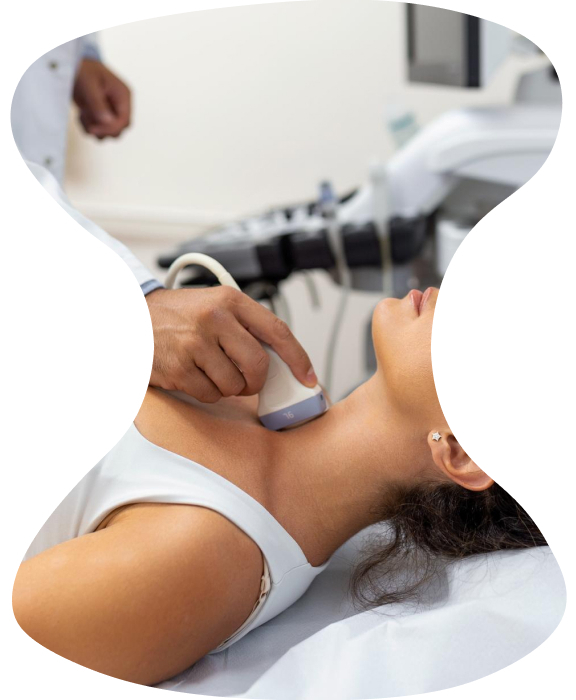
From there, imaging helps pinpoint which gland is misbehaving. A focused neck ultrasound is usually the first step. If the ultrasound isn't conclusive, a sestamibi scan adds another view of the area. For trickier cases — particularly when an ectopic gland is suspected — a 4D-CT scan maps the surrounding tissue in detail.
A 24-hour urine calcium test rules out rare look-alike conditions such as familial hypocalciuric hypercalcaemia (FHH). Vitamin D is checked alongside, because low vitamin D can mask or distort the picture.
Once everything lines up, we plan a precise treatment route tailored to your case.
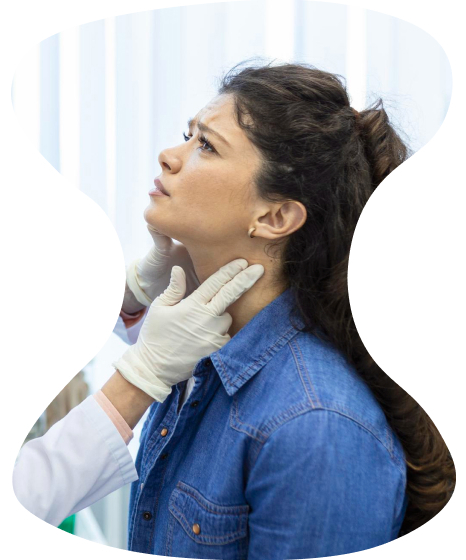
Surgery is the only proven cure. Medicines can soften the calcium spike for a while, but they don't shrink the adenoma or stop it from growing.
The operation itself has come a long way. Modern minimally invasive parathyroidectomy uses a small incision — often under an inch — and most patients go home the same day. Calcium levels usually settle within days, and the symptoms most people have been living with for years often start to lift soon after.
A skilled surgeon checks all four glands during the procedure. That single step pushes the cure rate above 95 per cent and keeps repeat surgery off the table for the vast majority of patients.

This careful, layered approach has helped him pick up adenomas that earlier scans had missed — and reassure patients whose benign adenomas had earlier been mistaken for something more serious.
Each of these can lead to a missed diagnosis elsewhere. They're the cases that often find their way to our clinic — and the ones Dr Ramkumar quietly turns around. Each consultation closes with a clear diagnosis, a defined treatment plan, and a patient who finally understands what has been happening inside their body.