
Intraoperative PTH (IOPTH) testing is the technology behind modern parathyroid surgery — it lets your surgical team confirm in real time that the right gland has been removed and that no other overactive gland remains. A blood sample taken in theatre measures whether parathyroid hormone levels have dropped by more than 50 per cent from the pre-excision baseline. If they have, the operation is complete. If they haven't, the surgeon continues looking.
This real-time feedback is what pushes modern parathyroid surgery cure rates above 95 per cent, and why IOPTH has become standard at leading parathyroid centres worldwide.
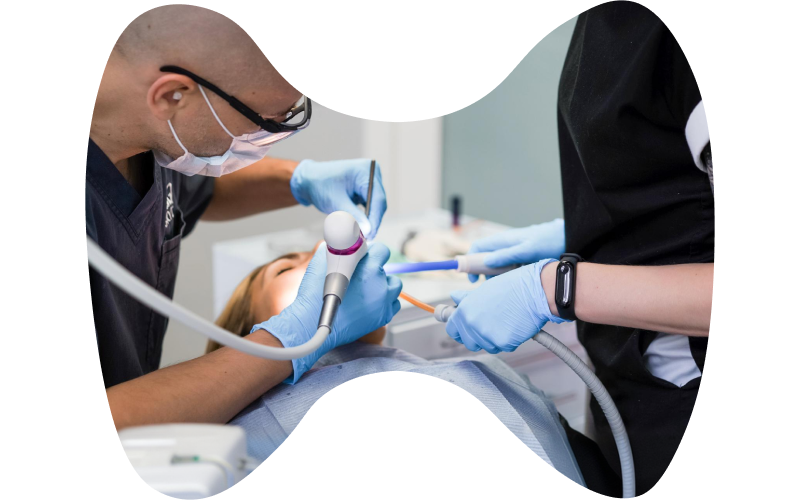

During parathyroid surgery, your team takes small blood samples at key moments: before removing the gland, and again at 5, 10, and sometimes 20 minutes afterwards. A rapid laboratory machine in or near the operating theatre processes each sample and reports the PTH level within minutes.
The interpretation follows the Miami Criteria, developed by the University of Miami parathyroid team and now the most widely adopted standard for intraoperative PTH testing. The rule is straightforward: if PTH drops by more than 50 per cent from the highest pre-excision value at 10 minutes after gland removal, the operation is considered successful and the surgeon can close.
If PTH doesn't drop by enough, the surgeon continues exploring to find another overactive gland.
Some centres apply a stricter version of this rule, requiring PTH to also fall within the normal reference range — known as the Dual criterion. Both approaches are used globally; the 50 per cent drop alone remains the most widely adopted standard.
In experienced hands, the Miami Criteria show a positive predictive value of around 97 per cent, giving the surgical team high confidence that the right gland has been removed before closing the wound.
PTH has a remarkably short half-life of just 3 to 5 minutes. Once the surgeon removes the overactive gland, PTH levels in your blood begin falling almost immediately, with a steep decline visible by the 10-minute sample.
This rapid PTH drop during surgery gives the surgical team a real-time biological signal. A steep drop strongly indicates cure; a minimal drop means another overactive gland is still in play and the surgeon continues looking.
Without intraoperative PTH testing, surgeons rely on visual assessment and clinical judgment alone to decide whether the operation is complete. With it, biochemistry tells the truth in the vast majority of cases.
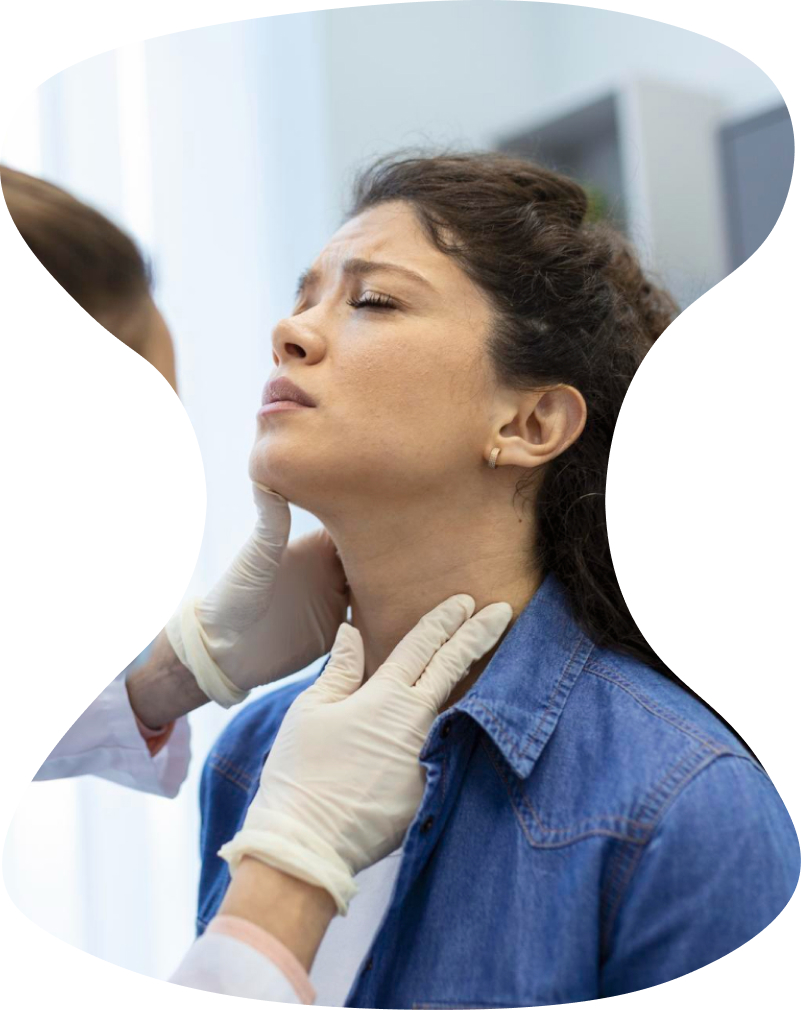

Parathyroid surgery rewards precision, accurate diagnosis, and an experienced surgical team. At Chennai Thyroid Clinic, intraoperative PTH testing is standard on every parathyroid case, not an optional add-on.

Our operating theatre runs rapid PTH testing on every case as standard. You leave the operating room with confirmation that the Miami Criterion has been met and the operation is complete.

Dr. S. Ramkumar (MD, DM Endocrinology, AIIMS) reviews every parathyroid case before surgery, confirming the diagnosis, reviewing imaging in detail, and establishing whether surgery is truly the right next step.

Dr. D. Priya leads the operative care, with focused experience in minimally invasive parathyroidectomy and intraoperative PTH-guided surgery.

Every patient receives a treatment plan built around their numbers, their symptoms, and their life, from diagnosis through surgical recovery and long-term follow-up under one coordinated team.