
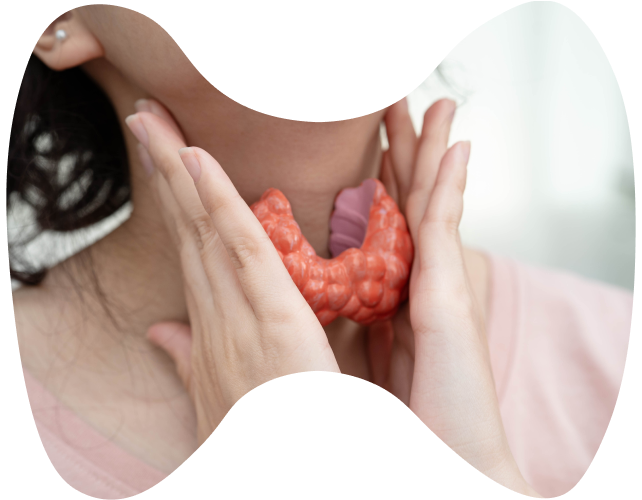
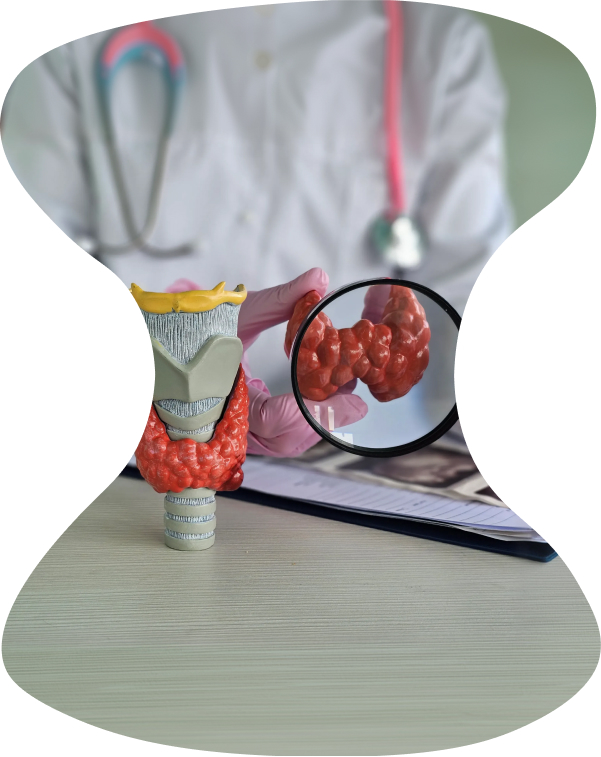
Hyperparathyroidism - also called parathyroid disease - is the condition where a parathyroid gland becomes overactive and produces too much parathyroid hormone (PTH). PTH controls the calcium in your blood. When a gland misfires, calcium climbs above the normal range and stays there.
In around 70 to 75 per cent of cases, the trouble comes down to a single gland. One of your four parathyroid glands develops a benign tumour - an adenoma - and that one gland drives the entire condition. The other three stay completely normal. This is the most curable form of parathyroid disease: remove the diseased gland, and the disease resolves.
The remaining 25 to 30 per cent of patients have more than one gland involved. Treatment is still highly effective, but the surgery requires a careful four-gland check to make sure nothing is missed.
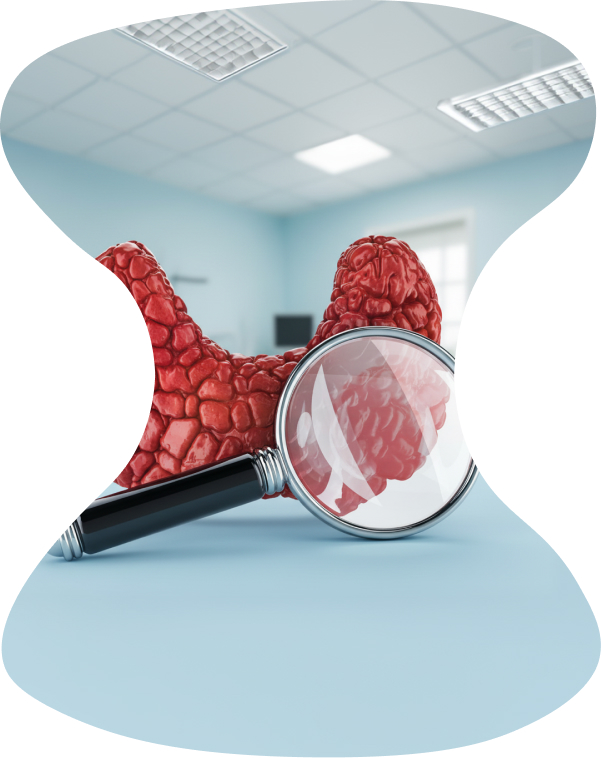
A healthy parathyroid gland adjusts its hormone output minute by minute, keeping your blood calcium steady. When one gland becomes overactive - usually because of an adenoma - that adjustment stops. The gland ignores what the calcium level says and just keeps pumping out PTH.
The damage from that one rogue gland spreads quickly. PTH pulls calcium out of your bones, tells your kidneys to hold more calcium in the blood, and increases how much your gut absorbs from food. All three responses push calcium higher. The longer the diseased gland goes untreated, the more your skeleton thins, the more pressure builds on your kidneys, and the more downstream tissues start to feel it.
Most patients blame the early signs - tiredness, low mood, body aches - on age or stress. That's why hyperparathyroidism often goes undiagnosed for a decade or more, usually because no one orders the simple blood test that would catch it.

Watch for:
Untreated for years, these high calcium symptoms can also bring long-term risks: high blood pressure, heart disease, and bone fractures. That's why even "mild" or "borderline" calcium readings deserve a proper workup - not reassurance.
A blood test measuring both calcium and PTH together usually points to the answer in a single visit.

One diagnostic puzzle comes up often: a patient arrives with high blood calcium and low vitamin D at the same time. The two readings look contradictory - vitamin D usually helps raise calcium, so why are both moving in opposite directions?
In most of these cases, a parathyroid adenoma sits at the root of it. The overactive gland drives calcium up, and at the same time speeds up the breakdown of vitamin D - leaving stores low. The low vitamin D isn't the cause of the high calcium; it's the body's response to the underlying parathyroid problem.
Doctors who spot the low vitamin D first sometimes prescribe supplements without checking PTH. The adenoma stays undetected, and the calcium keeps climbing year after year. Bone and kidney damage continues quietly in the background.
A combined test of calcium, PTH, and vitamin D usually settles the picture in a single visit.
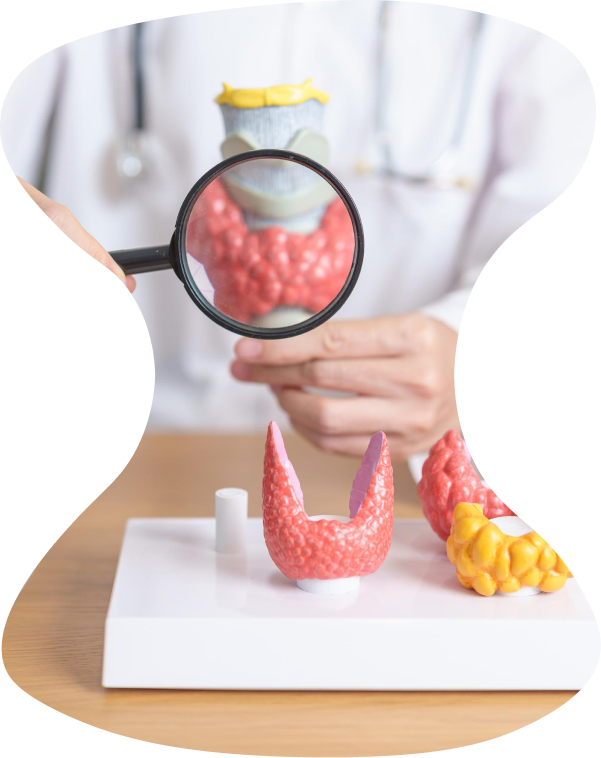
When both readings run high at the same time, hyperparathyroidism sits at the top of the list. We also check vitamin D, kidney function, and a 24-hour urine calcium to rule out rare look-alike conditions such as familial hypocalciuric hypercalcaemia (FHH).
One common trap to know about: calcium that's only slightly above the upper limit often gets dismissed as "nothing to worry about." But persistent borderline-high calcium - or even readings that hover just above the normal range - deserves a PTH check. Hyperparathyroidism can hide behind "borderline" results for years.
Once the blood picture confirms the diagnosis, imaging helps locate the diseased gland. A focused neck ultrasound is usually the first step, followed by a sestamibi scan if the result isn't conclusive. For ectopic glands sitting somewhere unusual - like the chest - a 4D-CT scan maps the area in detail.
One thing worth knowing: imaging is for locating the gland, not for making the diagnosis. The diagnosis comes from the blood work. Some patients are told they don't have parathyroid disease because their scan came back negative - but a negative scan only means the gland is harder to spot, not that it isn't there.
High calcium dismissed as "borderline" for years?
Bring your blood work to Chennai Thyroid Clinic - we'll tell you exactly where you stand.

He reads the full clinical picture before drawing any conclusions:
His real strength shows in the cases where the diagnosis has been sitting in plain sight for years:
Every consultation closes with a precise answer - a clear diagnosis, a defined treatment plan, and a patient who finally understands what's been happening inside their body.
When surgery becomes the right next step, Dr. D. Priya leads the operative care so your treatment moves without disruption.