
Logo icon of Chennai Thyroid Clinic.

Thyroid Investigations

Comprehensive thyroid function tests that accurately assess hormone levels and identify any discrepancies, provide a definitive diagnosis and enable targeted treatment options.
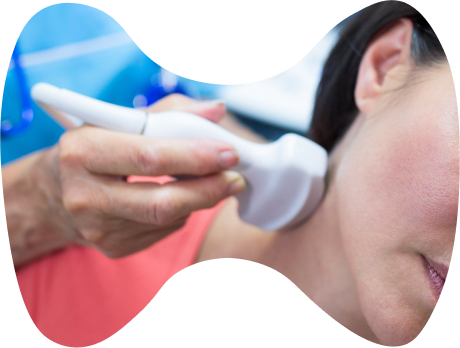
A patient undergoing an endocrine gland ultrasound by an expert.

Understanding Thyroid Investigations

Thyroid tests are essential for assessing the function of the thyroid gland and diagnosing potential disorders. Given that symptoms can be varied and often mimic those of other conditions, diagnosis primarily depends on blood tests rather than symptoms alone.

The primary test analyses the level of thyroid-stimulating hormone (TSH). Additional blood tests may evaluate hormone levels and the presence of antibodies. Following these, imaging tests are typically recommended to further examine the thyroid's shape, overall function, and size, providing a thorough evaluation of thyroid health.

Investigations for Thyroid Disorders

Consider undergoing a thyroid test if you experience symptoms such as sluggishness, fatigue, restlessness, unexplained weight changes, or irritability.

Blood Tests

Blood tests are essential for diagnosing thyroid conditions like hyperthyroidism and hypothyroidism by checking various proteins and hormones, including thyroglobulin and antibodies. Key tests include:
  • Thyroid Function Tests (TFTs): Evaluate levels of thyroid hormones and TSH.
    • Thyroid-stimulating hormone (TSH): The primary screening tool for thyroid function.
    • Free Thyroxine (FT4): Measures the active form of thyroxine hormone.
    • Free Triiodothyronine (FT3): Assesses the active form of the triiodothyronine hormone.
  • Thyroid Antibodies: Identifies antibodies such as TgAb, TSI, and TPOAb, which are crucial for diagnosing autoimmune thyroid disorders like Graves' and Hashimoto's disease.
    • Anti-thyroid Peroxidase Antibody (Anti-TPO): Commonly elevated in autoimmune thyroid conditions such as Graves' disease and Hashimoto's thyroiditis.
    • Thyroglobulin Antibodies (TgAb): Tests for antibodies against the protein thyroglobulin, often used in diagnosing Hashimoto's thyroiditis.
    • TSH Receptor Antibody(TRAb): Measures the level of thyroid-stimulating immunoglobulin in the blood, helping in the assessment of thyroid function.
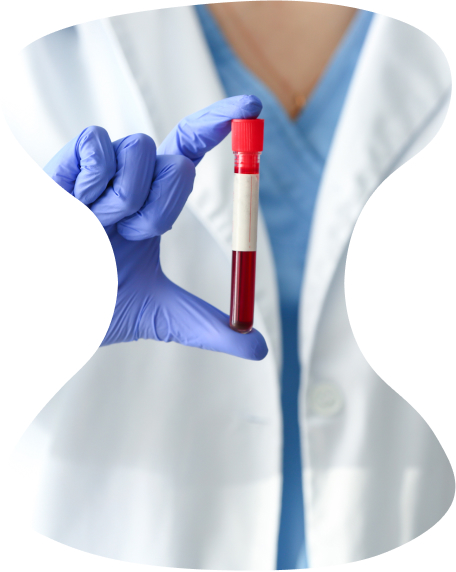
Close-up image of a medical professional with a blood sample.
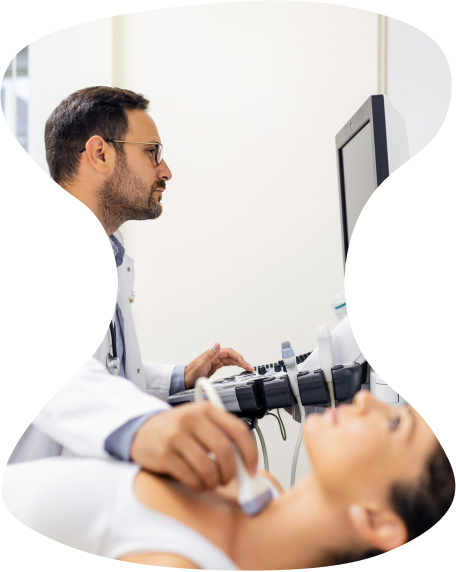
A doctor undergoing an ultrasound for thyroid.

Imaging Tests

Imaging tests are crucial for identifying thyroid nodules and determining whether they are malignant or benign.

  • Ultrasound: This painless, risk-free procedure diagnoses thyroid cysts, goitres, or tumours by evaluating the structure, presence of nodules, and size.
  • Radioactive Iodine Uptake (RAIU) and Scan: This test measures the thyroid's uptake of radioactive iodine to assess its function and distinguish between different causes of hyperthyroidism.
  • Thyroid Scan: Utilizing radioactive iodine, this scan examines the thyroid's structure and function, helping detect cancer, nodules, and any other abnormalities.
  • Magnetic Resonance Imaging (MRI) and Computed Tomography (CT): These imaging techniques are used to assess invasive thyroid cancers or large goitres and to detect the spread of cancer.

Biopsy

A thyroid biopsy entails extracting a small sample of tissue from the thyroid gland to be examined under a microscope.
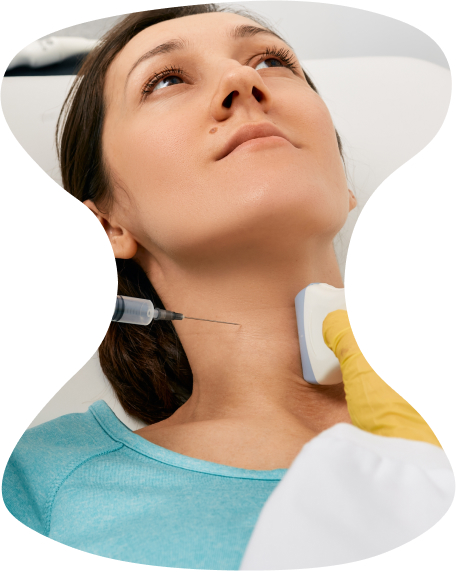
  • Fine-needle aspiration (FNA) Biopsy: It is a prevalent method wherein a slender needle is used to collect cells and fluid from the thyroid. This procedure is crucial for diagnosing thyroid cancer or diseases, allowing medical professionals to evaluate the cells in nodules for signs of malignancy.
Image illustration of fine-needle aspiration biopsy on a female patient.
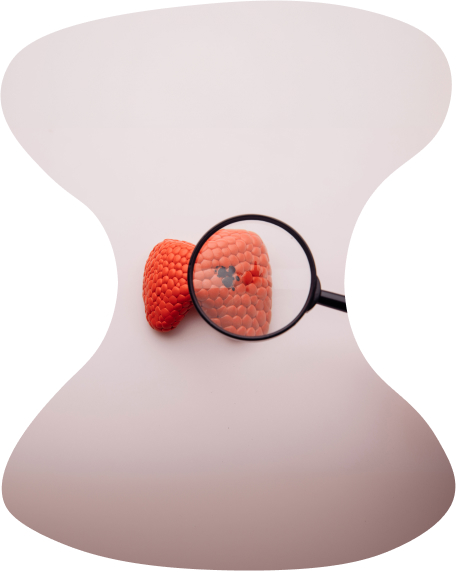
Endocrine gland examination with a magnifying glass.

Other Tests

Various diagnostic tests play a crucial role in identifying inflammatory conditions such as subacute thyroiditis. These tests complement standard thyroid evaluations, providing essential insights for accurate diagnosis and planning of treatment.


  • Thyroglobulin (Tg): It functions as a tumour marker in thyroid cancer patients following treatment, aiding in the detection of recurrence.
  • Calcitonin: It assists in diagnosing C-cell hyperplasia and medullary thyroid cancer in symptomatic individuals, serving as a marker for medullary thyroid cancer.
  • C-reactive protein (CRP) and Erythrocyte Sedimentation Rate (ESR): The levels may be elevated in cases of subacute thyroiditis.
  • Thyroid Genomic testing: Next generation sequencing based test to detect genomic biomarkers in thyroid nodules
Your Thyroid Health Matters
Worried whether you are experiencing thyroid disorder symptoms? Why wait when you can get an evaluation today?
Consult Now
A female patient undergoing an ultrasound diagnostics of the endocrine system.

Frequently Asked Questions

Thyroid function tests (TFTs) help to evaluate the thyroid hormone levels and the presence of TSH in the blood. This helps to assess your thyroid function.
The number of times you need to get thyroid function tests depends on your personal health factor. Hence, it can change from one person to another. Dr. S. Ramkumar will help you in determining the right schedule as per your health condition.
Abnormal thyroid antibody levels can be an indication of autoimmune thyroid disorders like Graves' disease or Hashimoto's thyroiditis.
A thyroid biopsy can be used to get a tissue sample from your thyroid gland. This tissue sample is then examined under a microscope to diagnose various thyroid disorders or thyroid cancer.
Our clinic offers a comprehensive suite of thyroid services. These services include diagnostic blood tests, detailed imaging studies, precise biopsies, and thorough evaluations to diagnose and manage thyroid disorders effectively.
Thyroid nodules are predominantly benign and not indicative of cancer. However, to accurately assess the nature of a nodule, a biopsy or advanced imaging tests might be necessary.
The Radioactive Iodine Uptake (RAIU) and scan are crucial diagnostic tools that measure how well the thyroid gland absorbs radioactive iodine. This test is instrumental in distinguishing between different causes of hyperthyroidism, such as thyroid nodules or Graves' disease, allowing for tailored treatment approaches.
While thyroid function tests are fundamental in detecting imbalances in TSH and thyroid hormone levels, they do not provide a complete diagnostic picture on their own. Comprehensive assessment often requires additional tests, including biopsies and imaging studies, to fully understand the nature of a thyroid disorder.
Copyright © 2026 Chennai Thyroid | All Rights Reserved
chevron-down